
The MST Services COE supports the implementation of Multisystemic Therapy, an Evidence-Based Practice (EBP), in California. MST Services provides comprehensive training and sustained implementation support to help improve the outcomes for at-risk youth and families with significant behavioral health needs.
Contact the MST Behavioral Health Center of Excellence
Visit the Behavioral Health COE Resource Hub

Evidence-Based Practices (EBPs) are central to California’s goal of expanding access to and strengthening the continuum of community-based behavioral health services. To support California behavioral health delivery systems and behavioral health practitioners in implementing EBPs, the Department of Health Care Services (DHCS) has established Centers of Excellence (COEs).
MST Services is proud to serve as a Center of Excellence (COE), disseminating Multisystemic Therapy throughout the state of California.
MST is an intensive, evidence-based, family-driven, proprietary treatment model for youth (ages 12 to 17 years old) who are involved in the juvenile justice system or who are at risk of out-of-home placement due to a history of delinquent behavior. This service emphasizes cultural responsiveness and the centering of home and community settings, as well as partnership with law enforcement and the juvenile justice system.
Appropriate for: Youth at risk of severe systems consequences within their family, school, or community due to serious externalizing, anti-social, and/or challenging behaviors.
The following are indicators that MST may be medically necessary and appropriate:
May not be appropriate for:
MST is a family-based program for youth ages 12 to 17 who show serious difficulty with behavior. MST is often used for youth who have had trouble with the law or might be at risk of system consequences, including out-of-home placement due to their behavior.
Teams of three to five master’s level clinicians (one clinical supervisor and two to four therapists with a maximum caseload of six families per therapist).
The supervisor is responsible for facilitating one group supervision meeting per week, clinician development, and additional trainings as needed (the supervisor may also have primary or shared responsibility for program management tasks).
Licensed Mental Health Professional (LMHP) (including waivered or registered professionals) and Clinical Trainees acting within the scope of their license and training may provide MST. All providers must have an active certification and be acting within the scope of their license and training to claim for MST.
90+ Studies
$75m+ Research Funding
140+ Peer-reviewed Journal Articles
57,000+ Families included across all studies
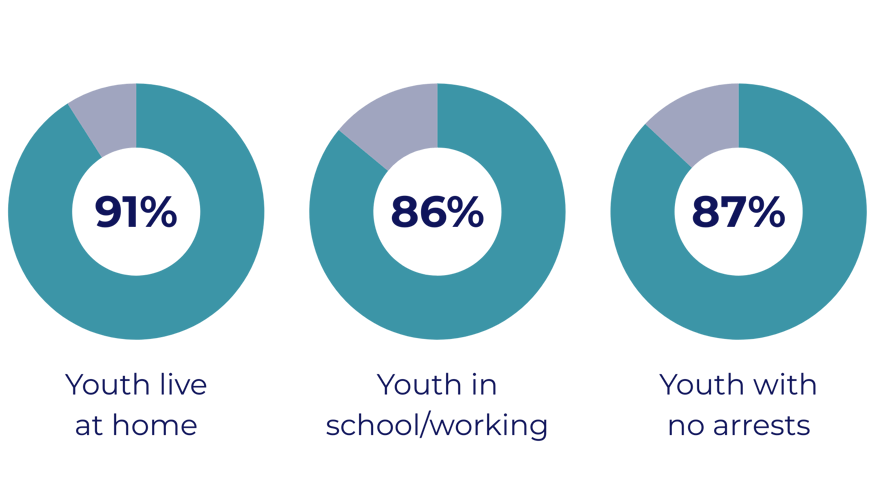
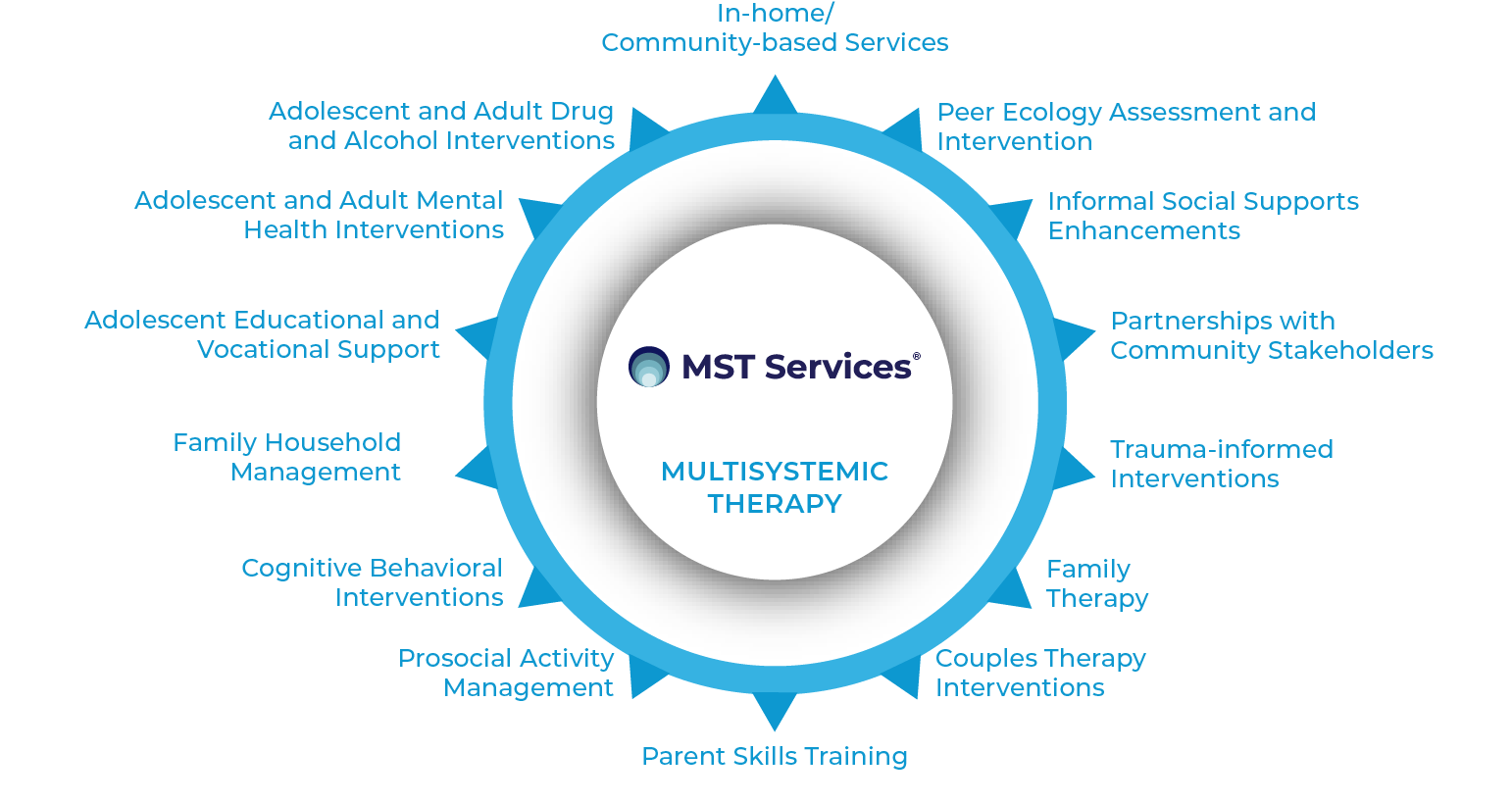
MST Services works with provider organizations and service systems to train therapists and supervisors, surrounding them with support, resources, and ongoing coaching in a variety of therapeutic interventions and services, including drug and alcohol interventions, family household management, trauma-informed interventions, and more.
Have a question or want to learn more? Contact the MST Behavioral Health Center of Excellence
County behavioral health agencies: Interested in initiating a consultation with us? Complete an Engagement Initiation Form here.
If you are a behavioral health practitioner, please coordinate with your county behavioral health plan (BHP).
Sign up to receive blogs, content, and announcements from MST Services here.
Go to the Behavioral Health COE Resource Hub for information about all participating COEs and EBPs.
Stay up to date by joining the Behavioral Health COE newsletter.
3490 Piedmont Rd NE, Suite 304
Atlanta, GA 30305