

Evidence-based intervention reducing youth justice involvement
Multisystemic Therapy (MST) works with youth at risk of arrest or out-of-home placement by addressing the drivers of behavior across home, school, and community. Proven to reduce recidivism and keep young people safely at home.

Strengthening families to prevent foster care placement
MST supports caregivers in building safe, stable home environments while addressing the challenges contributing to maltreatment risk. The model helps reduce removals, increase family stability, and promote long-term safety.
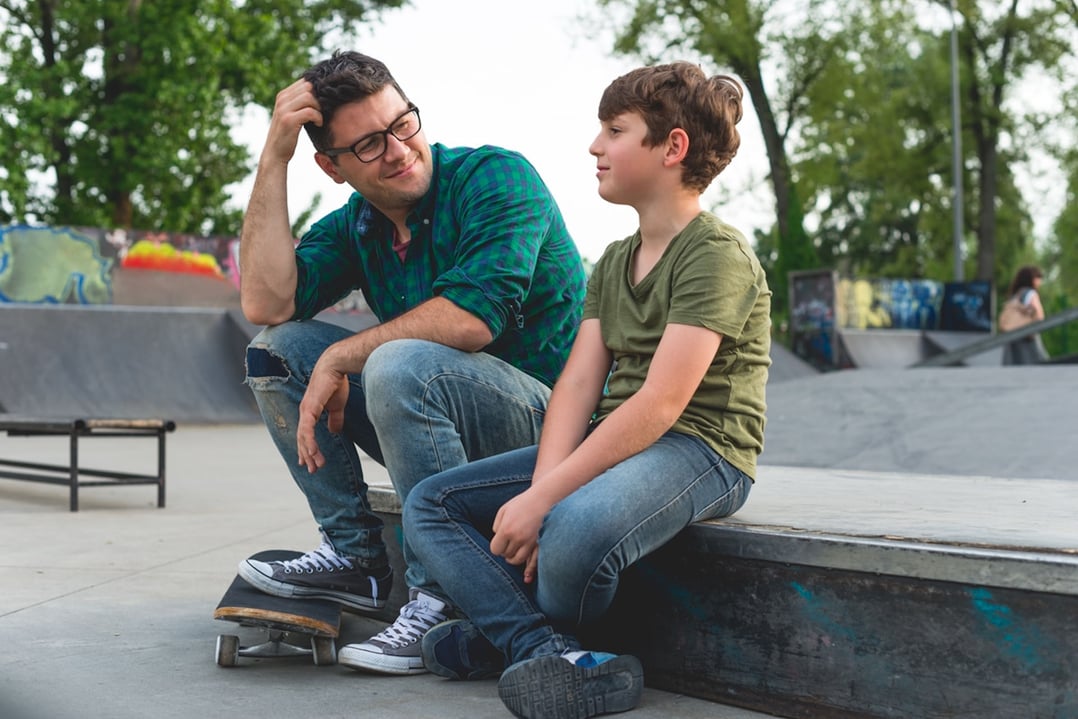
Holistic, community-based treatment for serious behavioral concerns
MST addresses mental health needs by targeting the systems influencing a youth’s behavior. Therapists work in homes and communities to help youth manage symptoms, improve functioning, and strengthen support networks.

Family-Driven Strategies to Reduce Substance Use and Build Long-Term Stability
MST helps caregivers reduce youth substance use by building monitoring, communication, and prosocial routines. The approach addresses peer influences, school engagement, and family dynamics that contribute to ongoing use.

Reducing harmful sexual behaviors and increasing family safety
MST-PSB is an adaptation for youth who have engaged in problematic sexual behavior. It focuses on accountability, building healthy boundaries, enhancing caregiver supervision, and ensuring safety across settings.

Adapting MST to meet the needs of youth with developmental disabilities
MST-ID tailors interventions to the developmental level of youth with intellectual or developmental disabilities, helping caregivers manage challenging behaviors while strengthening daily living skills and safety.

Supporting successful transitions to adulthood
MST-EA helps young adults ages 17–26 reduce criminal behavior, stabilize housing, strengthen employment, and improve mental health. Services are intensive, community-based, and tailored to the needs of emerging adults.



We could not be happier with MST and the services that they provide for our youth and families. The home based model overcomes many of the challenges that a county of our size deals with on a regular basis. By engaging the family and other key community supports, the court is not sending rehabilitated youths back into the same dysfunctional environment.
MST has played an integral role in the success of our clients. I feel like we have seen some deep successes in the clients we have referred over. MST therapists are always available to advocate for their clients and are always willing to help navigate difficult situations.
I became increasingly skeptical that all the funds we were spending were actually helping our clients. This is when I began looking for alternatives. Alternatives to out-of-home placement and alternatives that were evidence-based. MST became our go-to program for both of these objectives.