Multisystemic Therapy Infographics and Fact Sheets

Quick, visual snapshots that show how evidence-based services support youth, families, and communities.

Child Welfare & Juvenile Justice Infographics

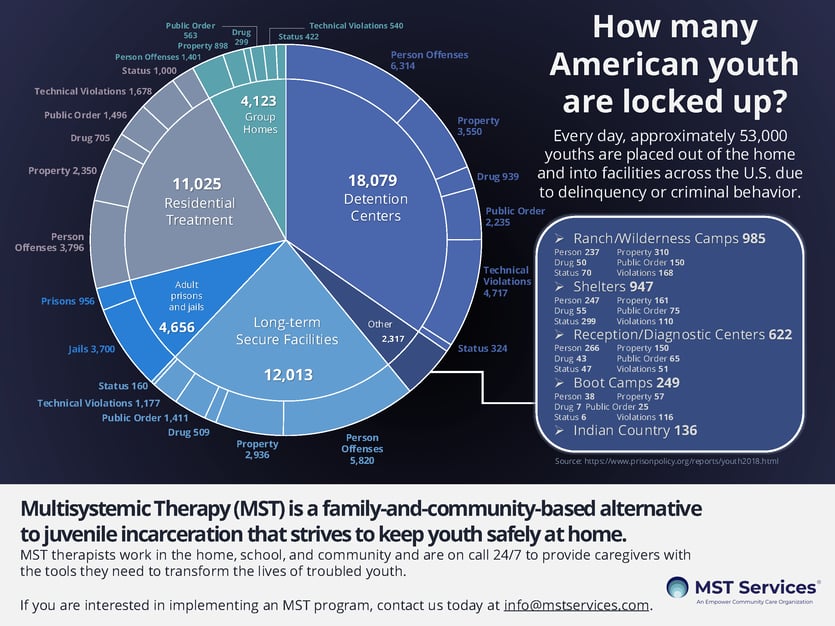
How Many Juveniles are Confined?

Every day, thousands of American youth are placed outside of the home in facilities across the country. Though these out-of-home placements hope to steer youth on the right path, it has been proven that treating a youth outside of their home and community is less effective than treating them in their natural settings. However, statistics show that the amount of youth in confinement is still high.

View

The Opioid Epidemic: Are We Losing a Generation of Children?

The Opioid Epidemic is a public health crisis that has been declared a national emergency. This infographic shows the magnitude of the problem, how widespread it is and reveals how devastating it has become for the youth who are caught in the middle of it.
View

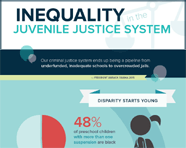
Inequality in the Juvenile Justice System

This infographic reveals the startling inequalities embedded in the juvenile justice system. The statistics are so shocking and the costs so high, that when you see them, you just might decide to do something about it. Take a look for yourself at this juvenile justice infographic to learn more.
View

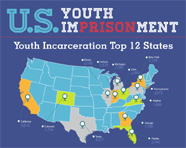
The High Cost of Youth Incarceration

Take a look at this infographic that shows the costs of youth incarceration. Sometimes seeing makes it easier to believe. Going state by state, it’s pretty staggering how many juveniles end up in facilities and the price tag associated with putting them there.
View

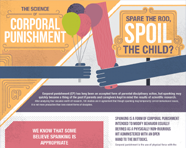
Spare The Rod, Spoil the Child

In celebration of Universal Children's Day, we put together a thought-provoking infographic on the consequences of corporal punishment. Ending violence against children—including corporal punishment—is an objective of the United Nations as well as Multisystemic Therapy for Child Abuse and Neglect (MST-CAN).
View

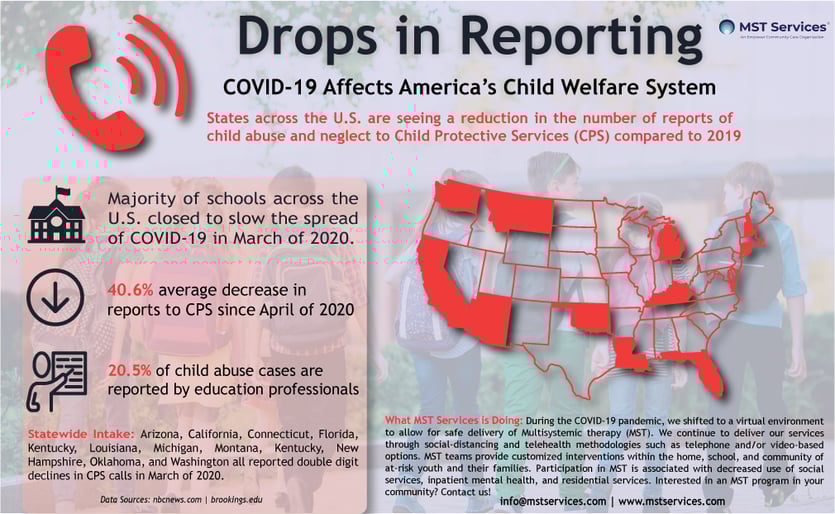
Drops in Child Abuse & Neglect Reporting During COVID-19

Virtual environments were integral in the shift to remote work and education. However, a completely virtual world has come with drawbacks, especially in the youth and child welfare system. Throughout the pandemic, there has been a drop in child abuse and neglect reports to Child Protective Services (CPS) in the United States.
View

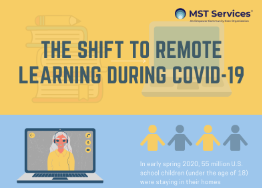
The Shift to Remote Learning During COVID-19

Due to COVID-19, the education system has experienced one of the largest transformations in order to contain the spread of the virus. This infographic shares the effects remote learning has had on youth during the pandemic.
View

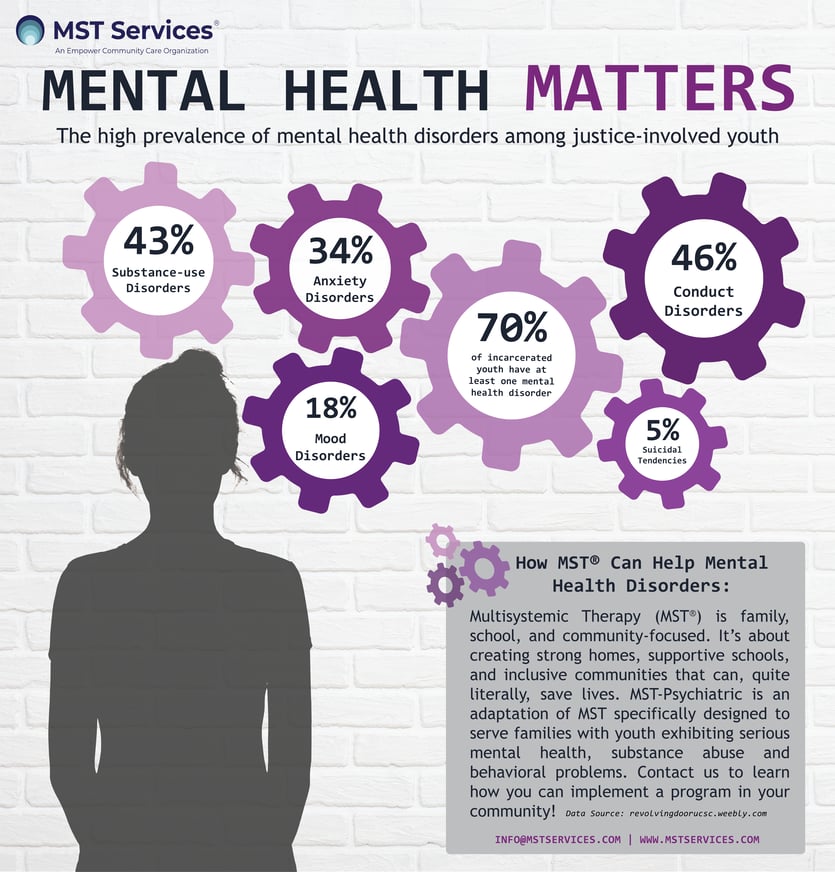
Mental Health Disorders in Juvenile Facilities

The link between mental health disorders and juvenile justice is very complex. Within juvenile detention facilities, there is often a lack of any in-facility screening programs, let alone treatment options. This makes it more necessary than ever to address youth mental health.
View

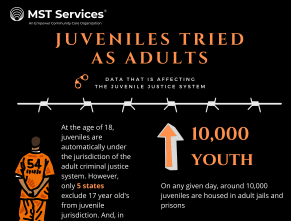
Juveniles Tried as Adults

On any given day, around 10,000 juveniles in the U.S. are housed in adult jails and prisons. This infographic features compelling data that is affecting the juvenile justice system.
View

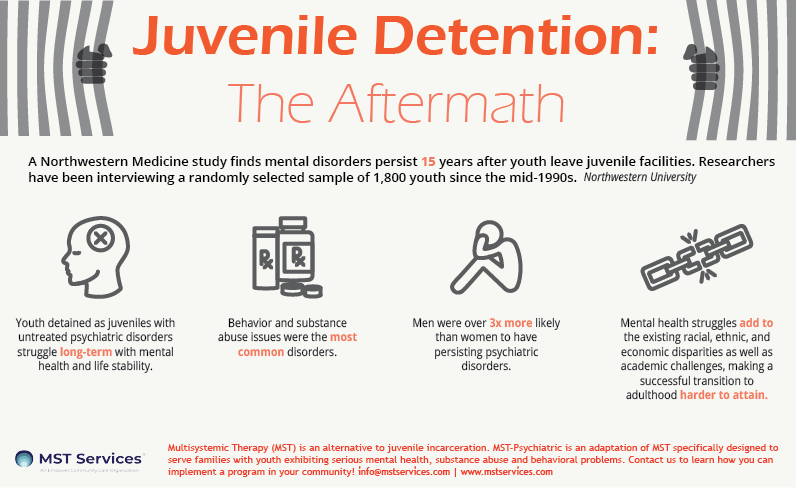
Juvenile Detention: The Aftermath

A recent Northwestern Medicine study finds mental health disorders persist 15 years after youth leave juvenile facilities, causing teens to struggle with long-term mental health and life stability.
View

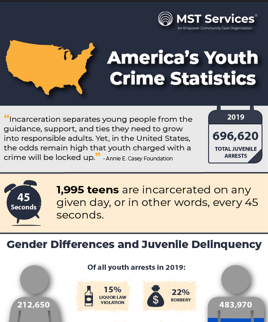
America's Youth Crime Statistics

In analyzing youth crime statistics, we can see how young people and their families are impacted by the way we treat juvenile offenses. This infographic illustrates the shocking number of American teenagers involved in the juvenile and criminal justice systems.
View

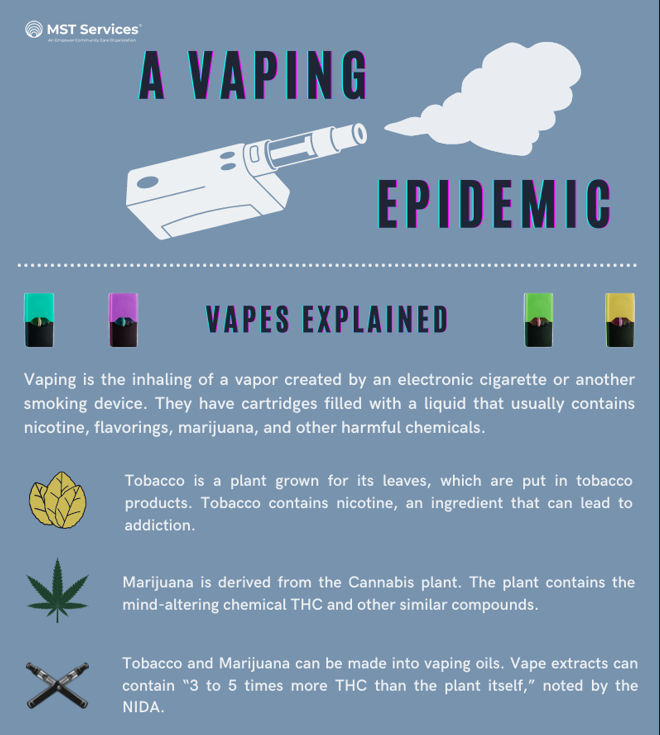
A Vaping Epidemic

Vaping, the new way to smoke, is becoming increasingly popular among teens. It may be hard to believe, but electronic cigarettes (e-cigarettes) were first introduced in 2007 and have since become a public health epidemic, contributing to youth substance abuse.
View

Fact Sheets and Flyers

Judges

Addressing the needs and concerns of Judges across the world.
View

Families

Addressing the concerns of families needing guidance and hope.
View

Caseworkers

Addressing the concerns of family and youth caseworkers.
View

Looking for more resources?